

I had the pleasure of visiting Amsterdam for the first time last August. It was a place I had only ever dreamt of going to 10 years ago. And now, here I was, casually turning those wild dreams into reality. I made many wonderful memories during my 5-day trip, but I will most remember the city for its canals and museums. It seemed the Dutch have a museum for (almost) everything! Probably one of the most popular — and one of the best in the world — is the Rijksmuseum, the national museum of the Netherlands (‘rijks‘ in Dutch means ‘empire‘; thus, the name literally translates to ‘national museum‘), dedicated to Dutch art and history. (It is also the country’s largest art museum!)
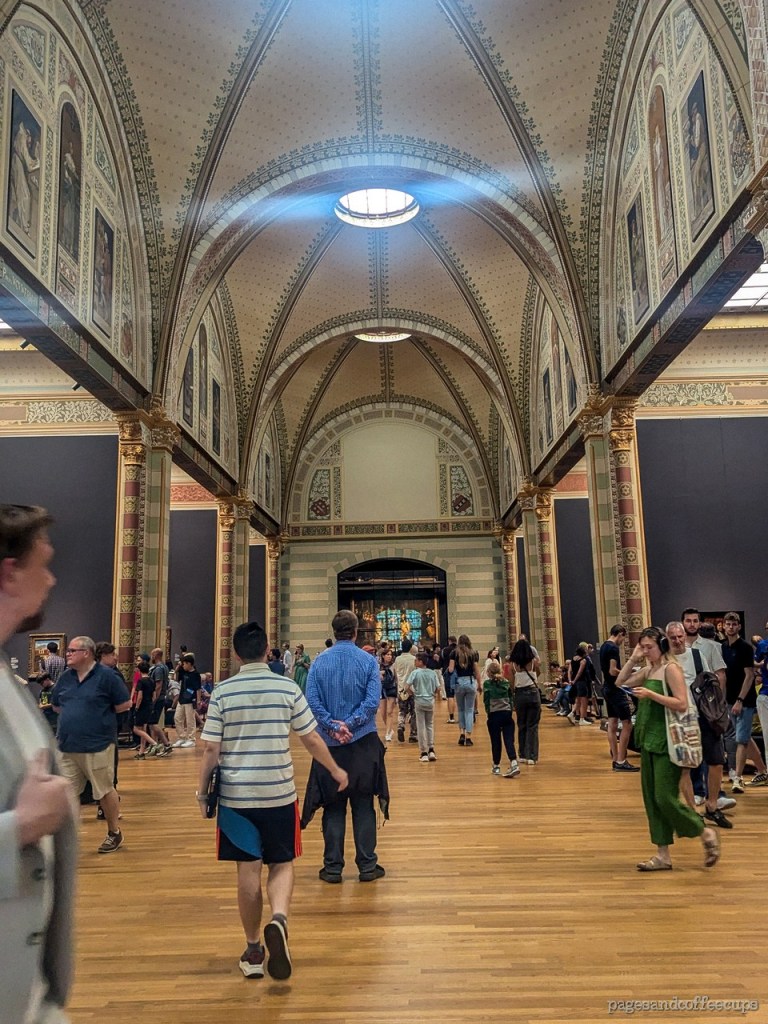
While my knowledge of art is admittedly very limited, I’m trying to educate myself one museum visit at a time. To be honest, I had never considered before how much artistic history this place holds, so I was fascinated by the information I came across during my visit. One of the most recognizable artists on my list (at least) would probably be Vincent van Gogh, who was born in the municipality of Zundert in the Netherlands. (I can’t remember if I saw any of his paintings at the Rijksmuseum, but the nearby Van Gogh Museum, dedicated to his work, should house most of them. Perhaps, sometime, I could make a post about it.) There’s also Rembrant (Rembrandt Harmenszoon van Rijn), whose works I’ve only recently discovered. His painting, The Night Watch, is prominently displayed in one of the main rooms of the Rijksmuseum (see above). It was encased in a specially designed glass chamber when we visited, with the Operation Night Watch underway – the largest research and conservation project on the artwork ever made on the Rembrant’s masterpiece. The restoration work is being done in public view, which I imagine would be a cool thing to watch. (Also, this video of a flash mob recreating this painting in a mall somewhere in the Netherlands brings me so much joy every time I see it.)
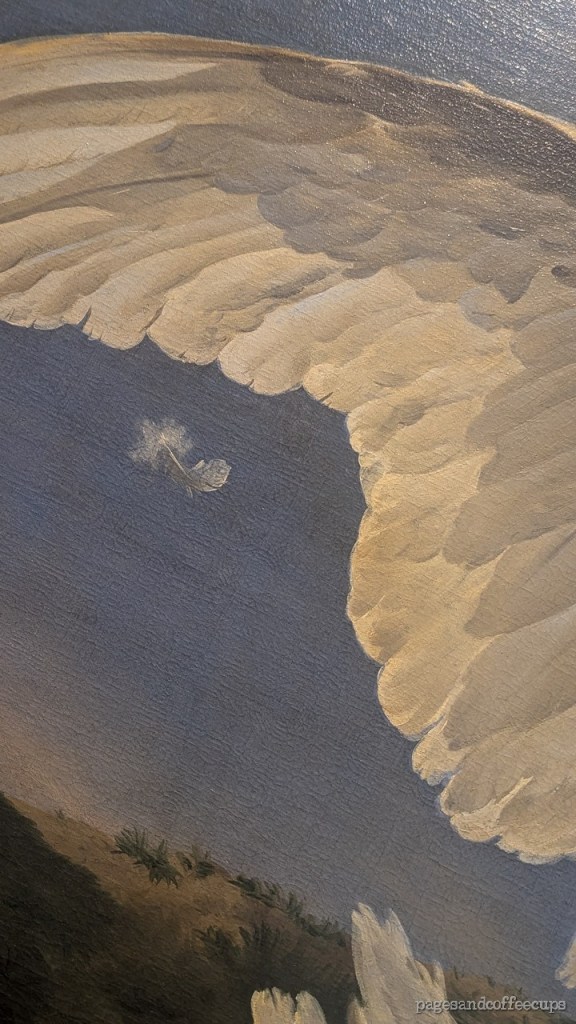
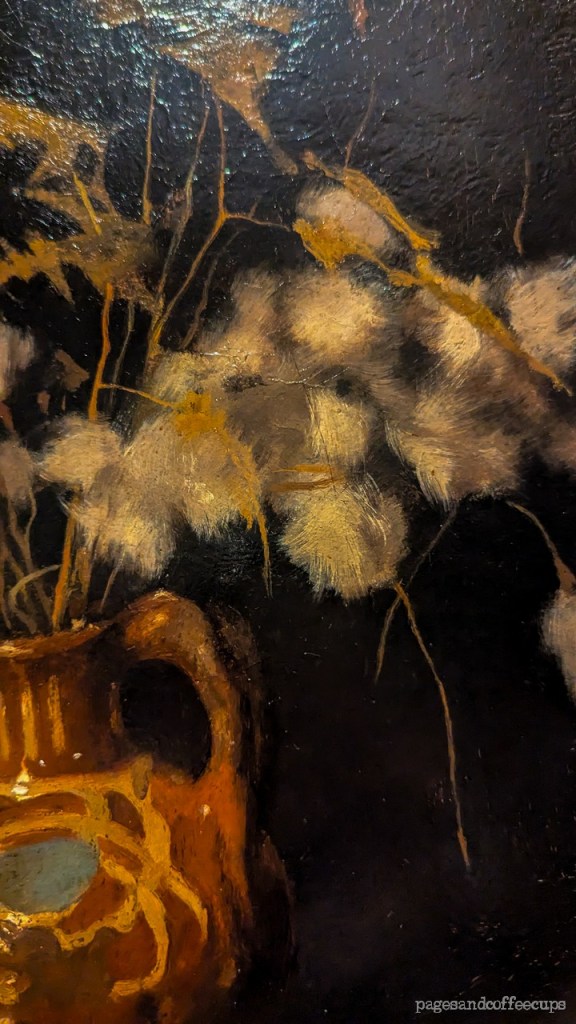
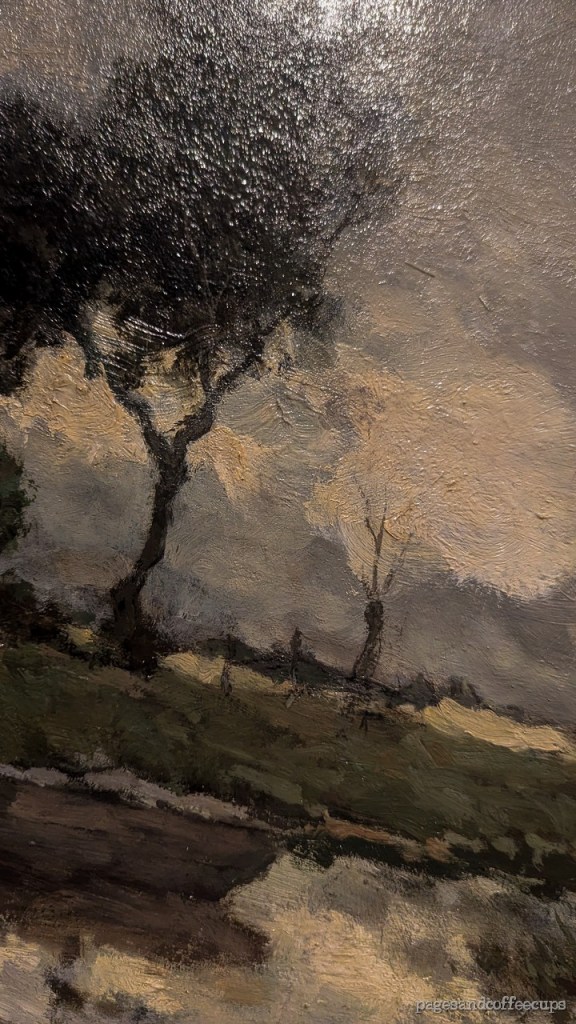
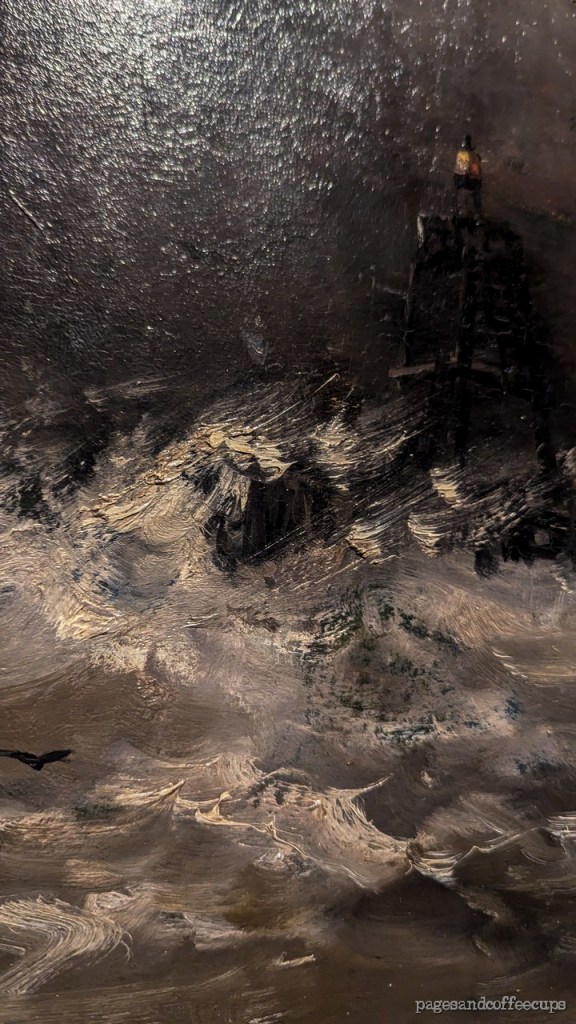
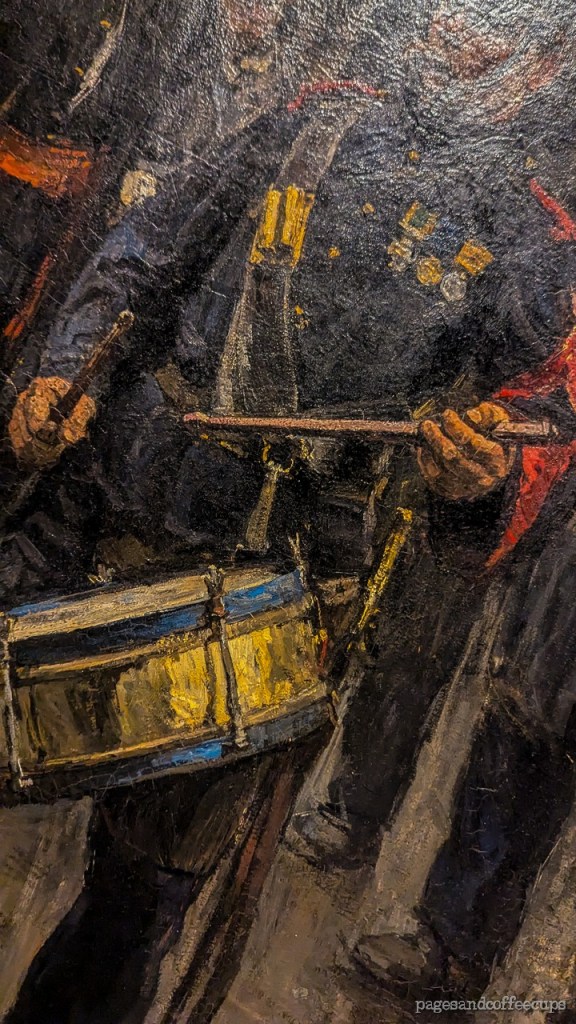
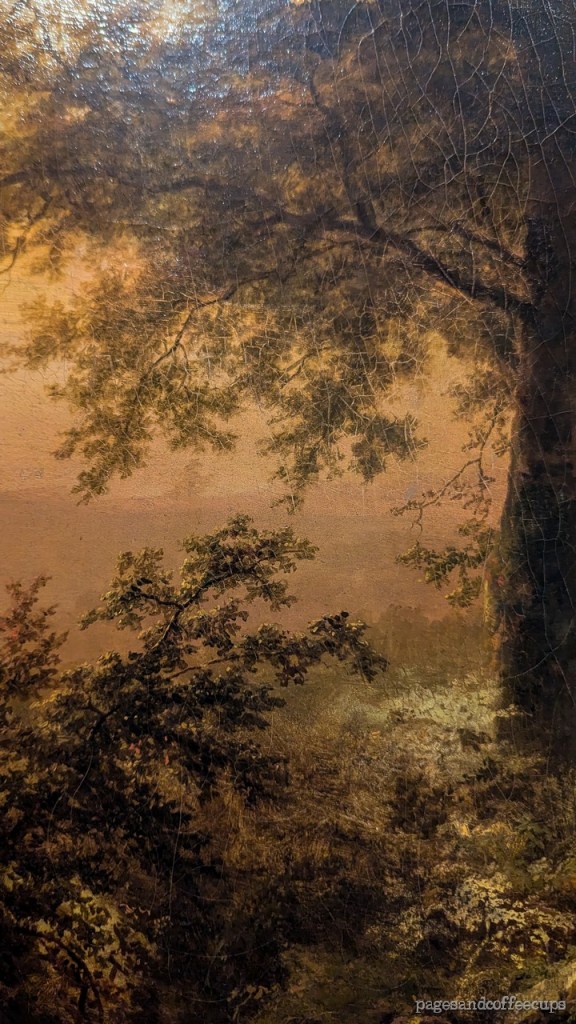
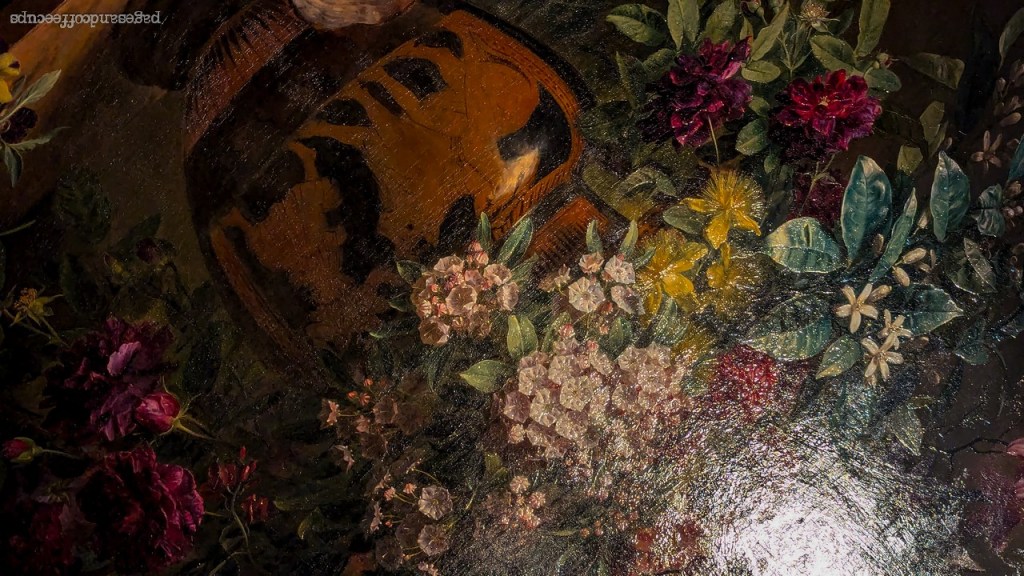
Note: Ever since my unplanned museum-hopping in Israel in 2023 (this was months before all the unfortunate things happened in that region), I’ve developed a taste for zooming in and capturing all the little details that I could only truly appreciate in works of art when I see them in person. There was a time when I honestly got tired of taking photos of these works, as I felt that the photos I took were just a few among many already existing on the internet. But these detail photos offered a unique point of view that I absolutely loved and treasured, making experiences like seeing paintings in real life — ones I had only ever seen on the internet or in the old days of encyclopedias — even more worthwhile and worth recording in my books. So, this series of photos focuses more on these details, but I’ll try to identify them if I can (click on the caption link to see the whole painting):
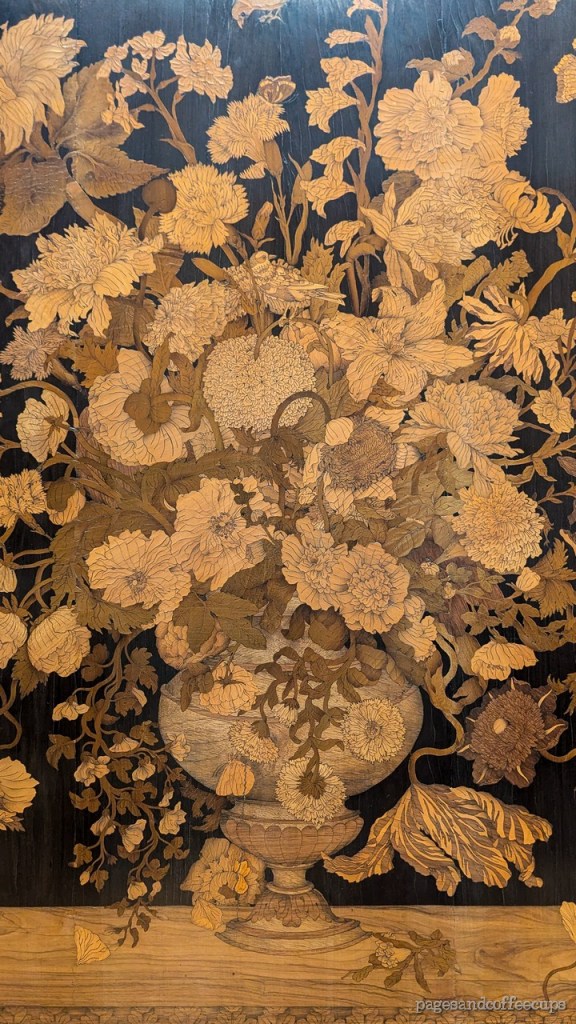
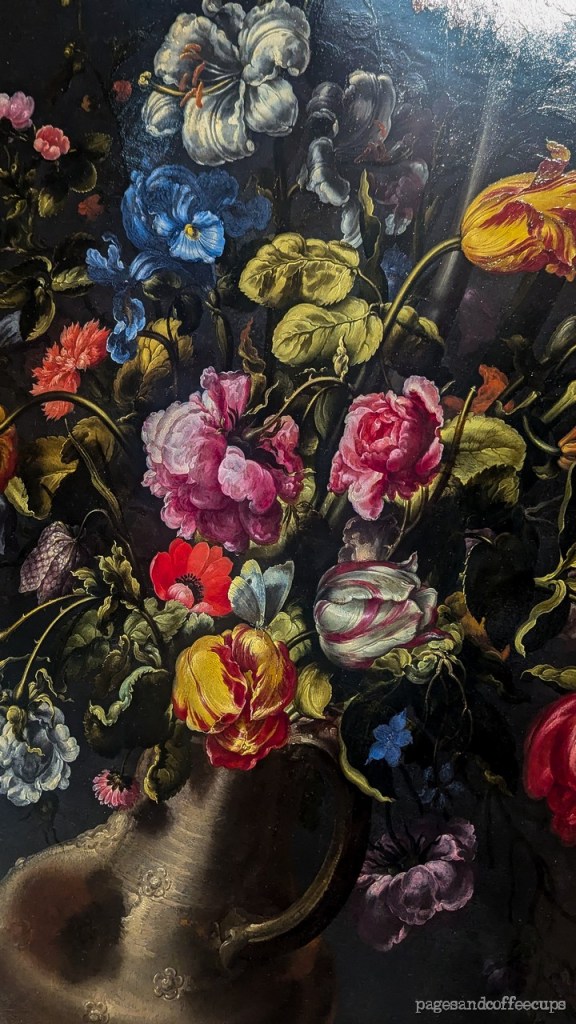
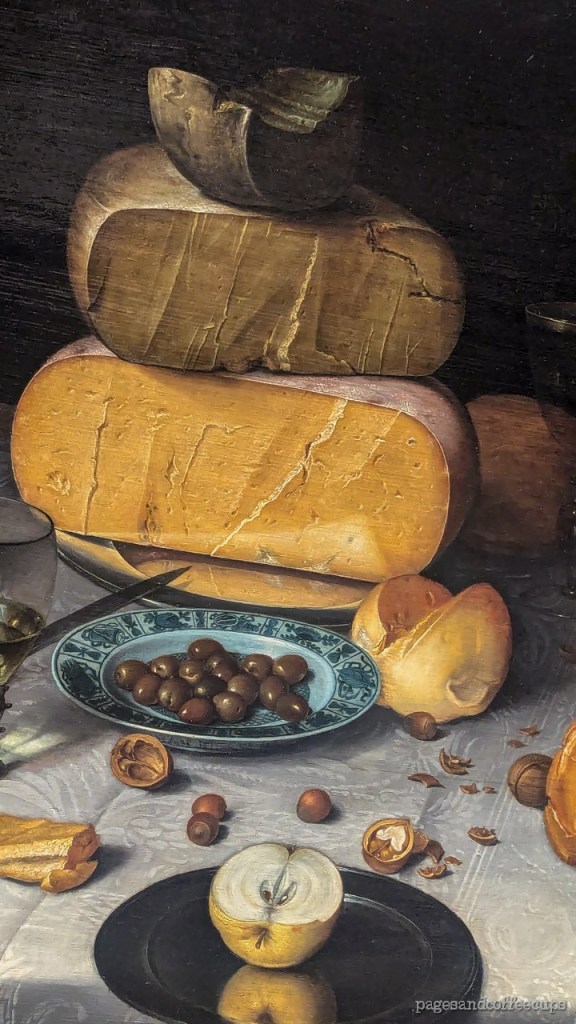
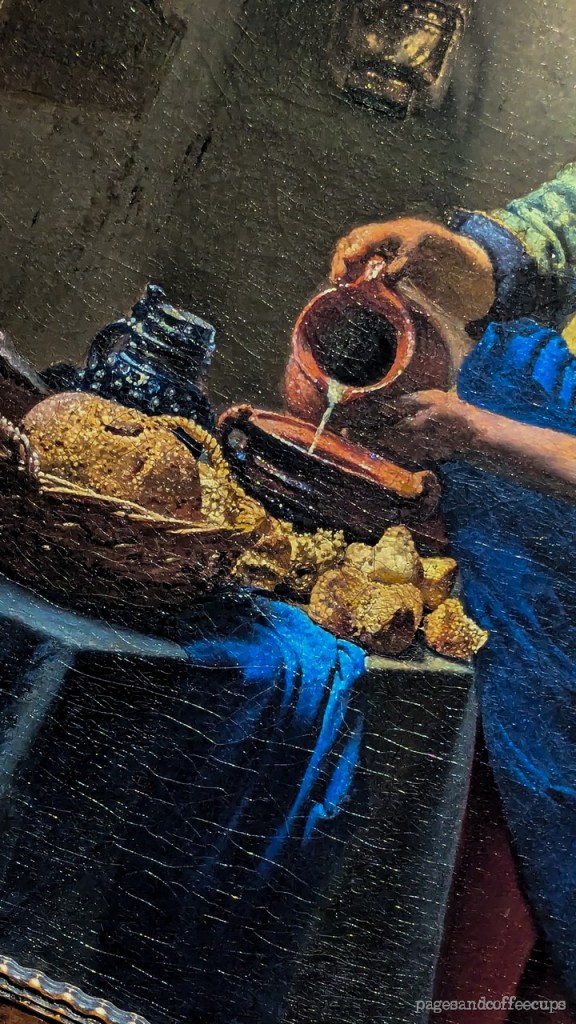
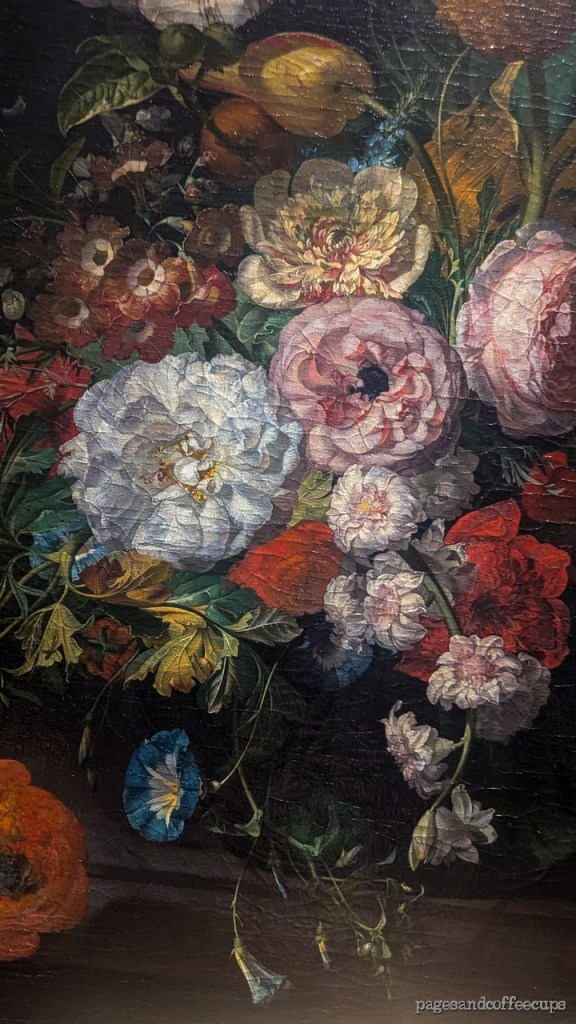
Perhaps, one of the most memorable paintings that I saw up close would be Johannes Vermeer’s The Milkmaid (Vermeer of the Girl with the Pearl Earring fame). I really liked how the ultramarine in the painting just popped, drawing the eye in and providing a high contrast with the ochre of the bread. I was also fascinated by all the still-life paintings I saw in various rooms, particularly the floral still-life paintings, which I learned were quite popular in the Netherlands during the 17th century (“still life of flowers is a typically Dutch genre“: floral still-life, blommetje). I loved the contrast of these blooms against the black or dark backgrounds (just look at how gorgeous that Vosmaer painting is, pictured above). But what’s even more interesting is that these aren’t ‘still life’ in the strictest sense (i.e., painted from life) because the flower arrangements depicted in these paintings could never have existed — the flowers in these paintings bloom in different seasons. (I particularly loved this essay by Sarah Hyde speculating the secret language of Dutch flower paintings.) One of the painters I came across the first time in this museum would be Rachel Ruysch, who specialized in these floral still-life paintings. She was the most famous female artist of her time and the best-documented female painter of the Dutch Golden Age. Ruysch was the first female member of the painters’ guild in The Hague, a significant achievement in a male-dominated art world at the time. She also “revolutionized still lifes, sold her canvases for more money than Rembrandt did, and contributed to influential scientific developments—all while raising 10 children. And that just scratches the surface of her story.” What a fascinating woman, indeed.
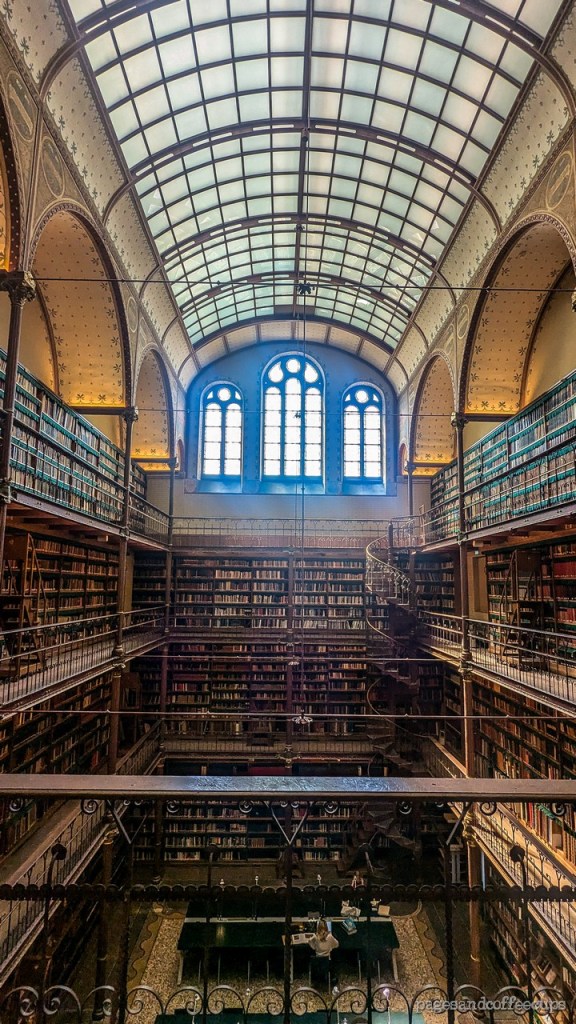
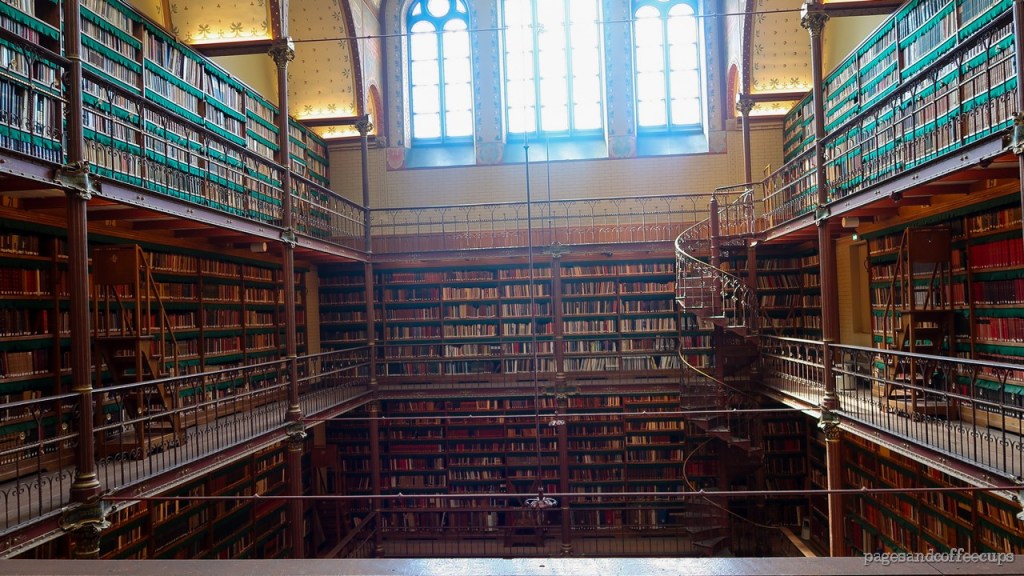
Admittedly, the thing I was most excited about was seeing the Rijksmuseum Research Library. Also known as the Cuypers Library (named after Pierre Cuypers, the Dutch architect who designed both the Rijksmuseum and the Amsterdam Central Station), it is the largest and oldest public art history research library in the Netherlands. Access to the research library is by reservation only. However, you can get a good view of the library and the reading room (pictured above) without a reservation, as this view is part of the museum ticket. It was quite busy on the viewing platform when we visited, and the high vaulted windows provided direct sunlight, so it was a bit difficult to take a nice photo. But I hope I did it justice. It was one of my bucket list destinations, so I was really happy to have visited it.
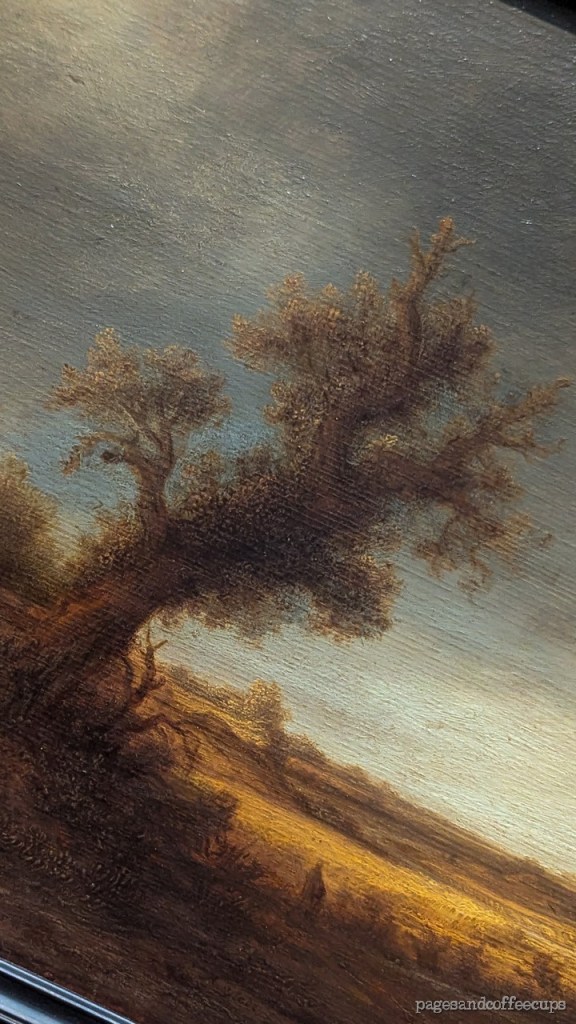
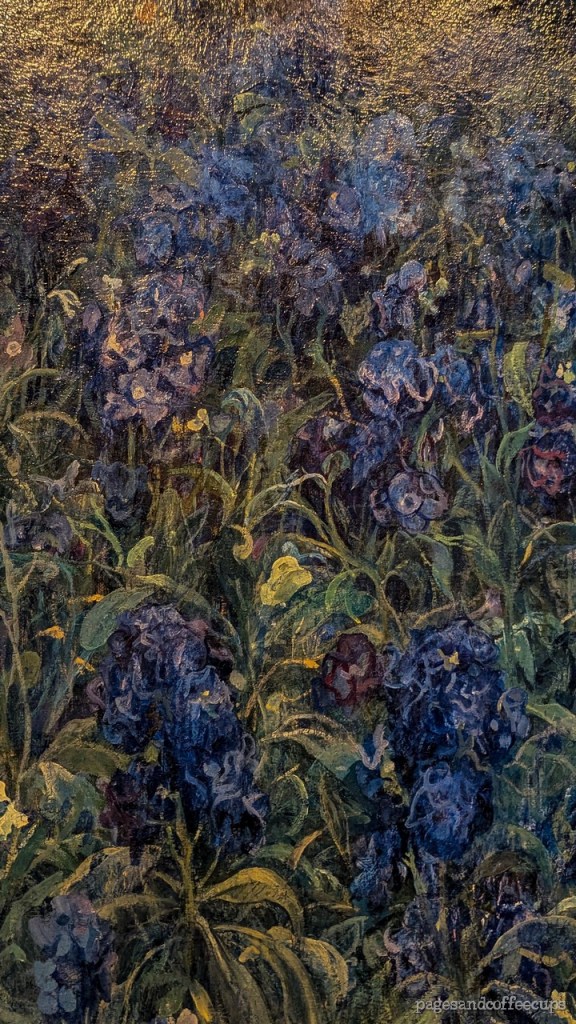
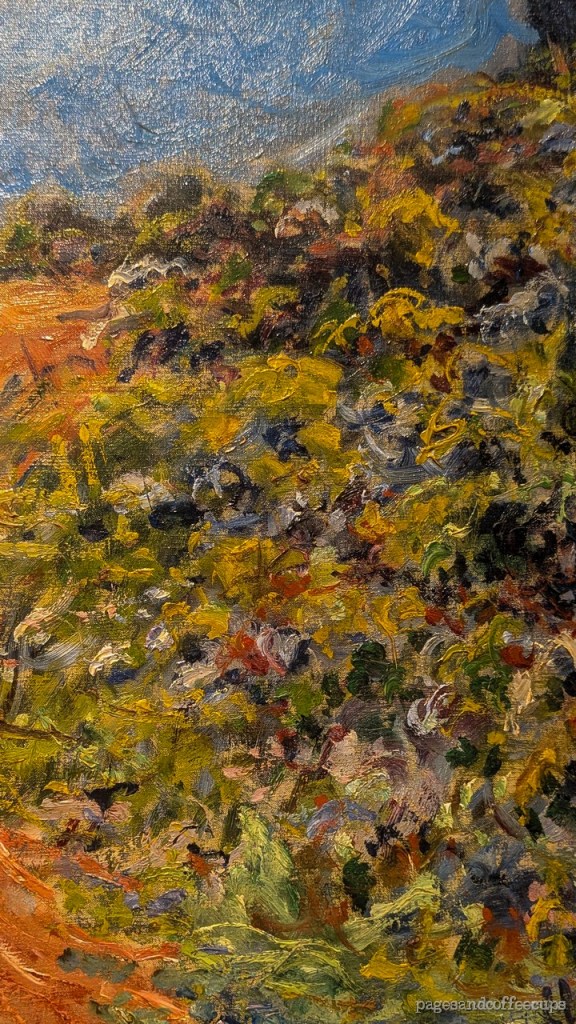
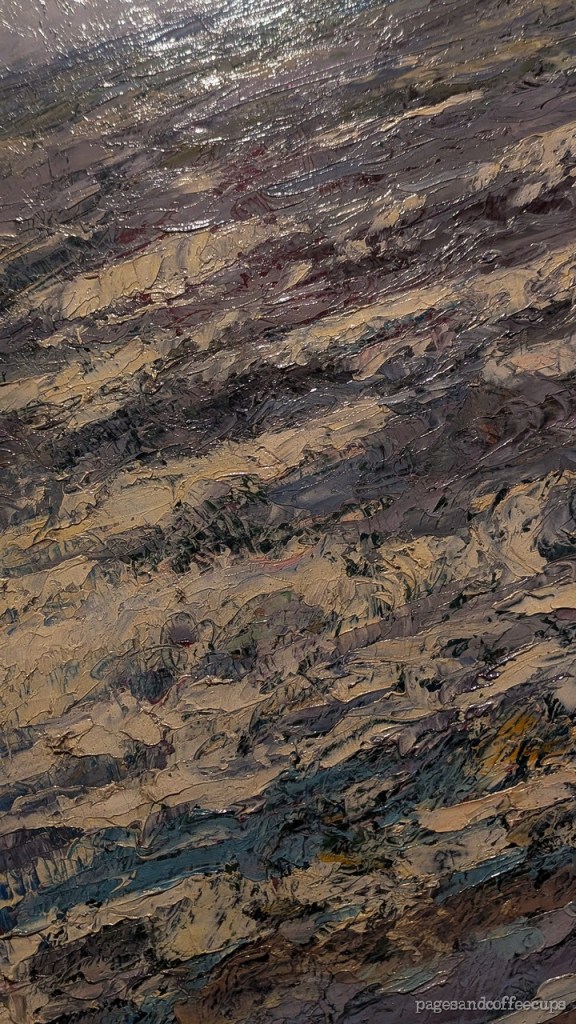
The Toorop painting above was created partly with a paintbrush and a palette knife. Up close, I loved how you can see the brushstrokes and the thickness of the paint, which emulates the look of waves. I’m obsessed with this tangible effect in paintings.
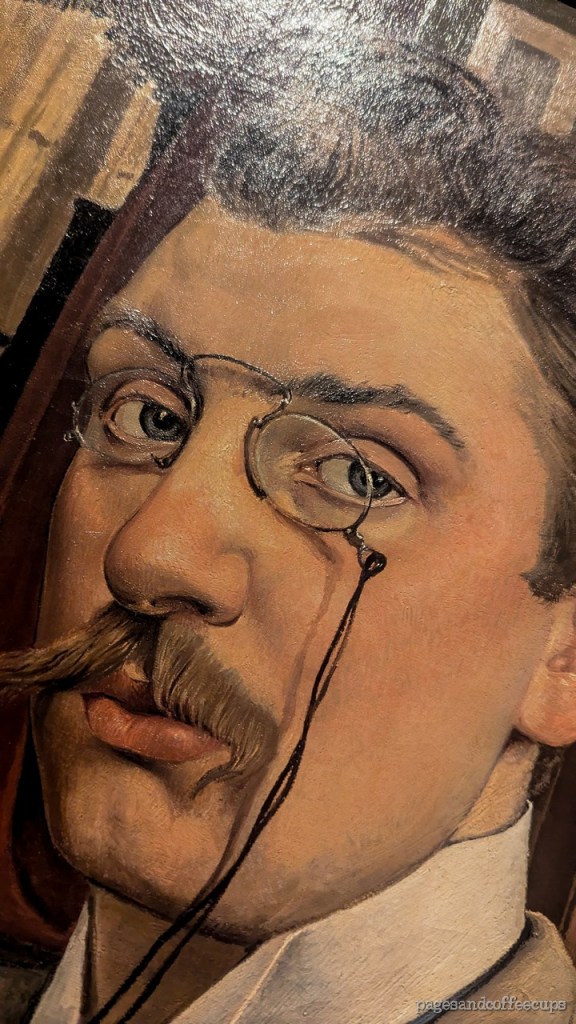
I was quite taken by this self-portrait by Anton Molkenboer — it has such a unique style and stood out among the sea of portraits in the museum. It draws your eye in and is really memorable.
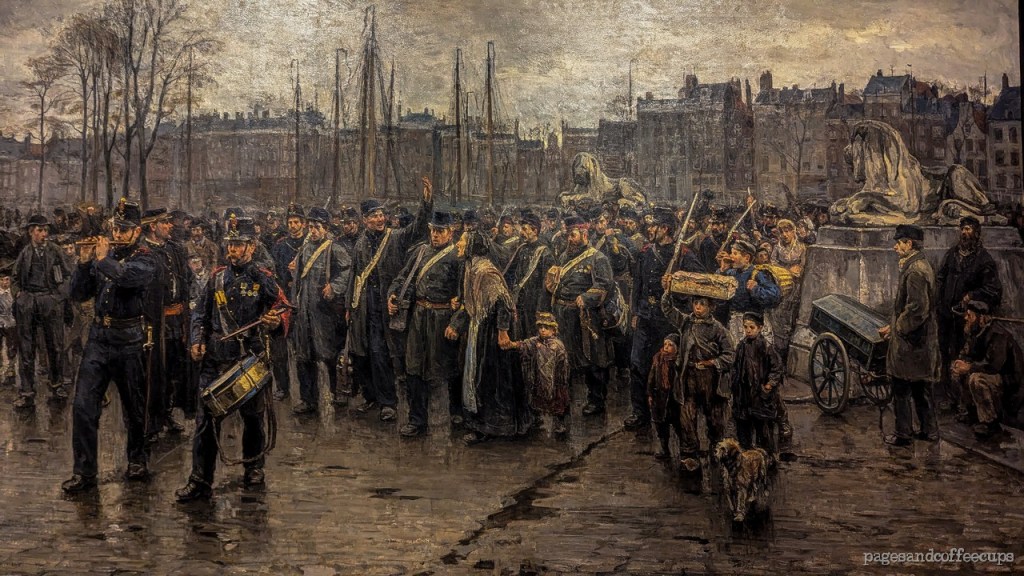
Did you know that Israëls painted this artwork at only 18 years old? When viewed as a whole, the painting appears dark and grey, but I loved how the colors pop the closer you look at them (see the close-up drum shot above).I love how detailed the work is as well.
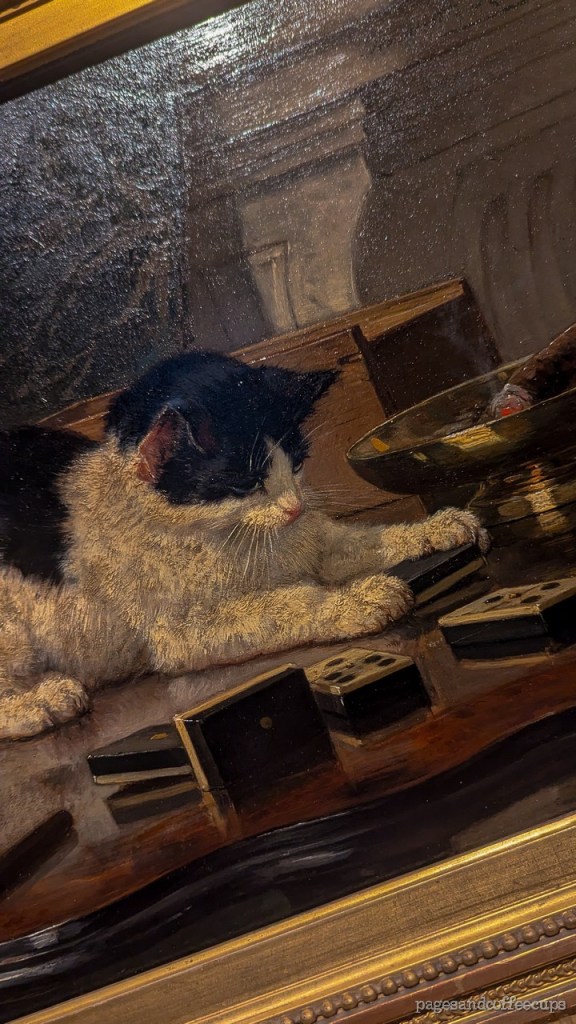
One of my favorite, most amusing artworks in the museum is Cat at Play. I love cats so much, and I wouldn’t mind having a print of this displayed in my house. Even though it was painted in the 19th century, something about it feels timeless.
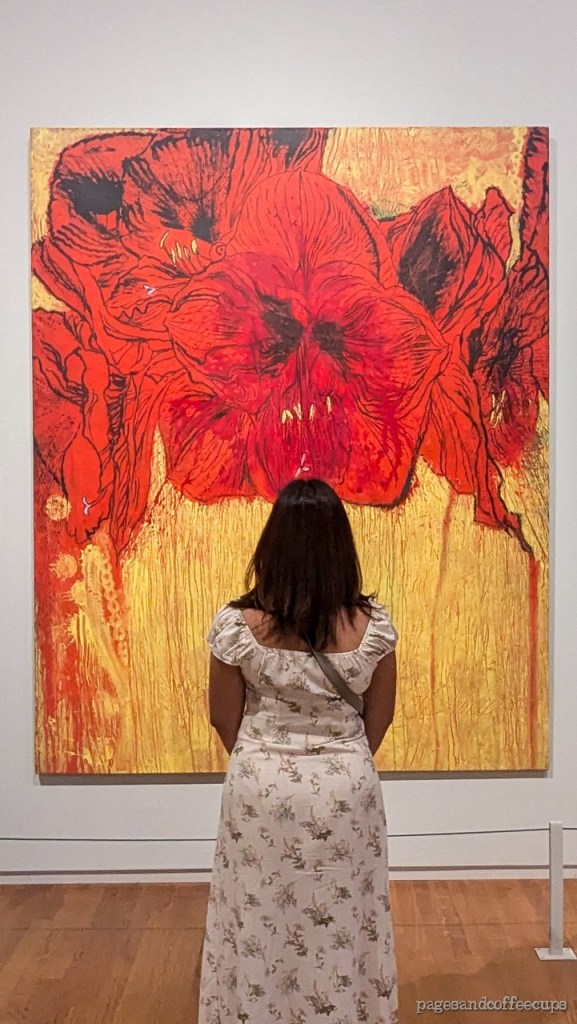
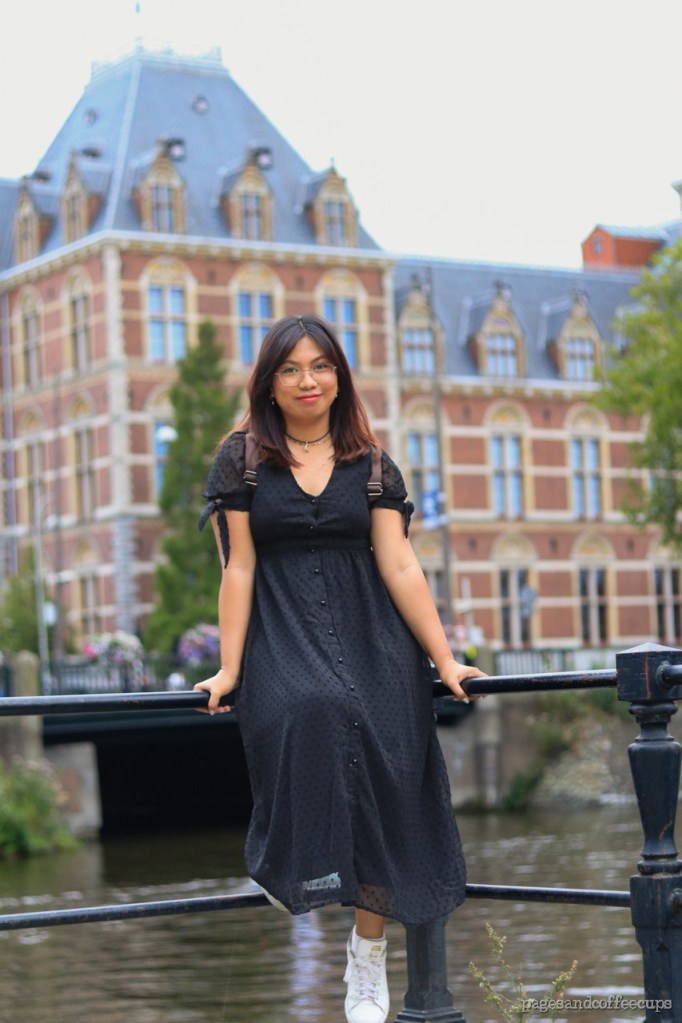
Overall, it was a fun experience having to hang around a cool museum such as the Rijksmuseum. Drafting this post also helped me a lot in terms of processing the artworks that I saw so I hoped you enjoyed it too. Thanks for sticking around if you made it this far!
📍 Rijksmuseum
Museumstraat 1, 1071 XX Amsterdam, Netherlands | Website
August 7, 2024
If you’ve visited this museum before, please do let me know what your favorite experience is in the place! Have you also visited a memorable museum before? What’s your experience? Comment up and let’s talk!
 Pages and Coffee Cups
One response to “Rijksmuseum, In Fragments (Amsterdam, 2024)”
Oh, I never thought of zooming in when taking pictures at the museum, but it’s amazing as you can capture the details forever!
LikeLiked by 1 person